Address
304 North Cardinal St.
Dorchester Center, MA 02124
Work Hours
Monday to Friday: 7AM - 7PM
Weekend: 10AM - 5PM
Address
304 North Cardinal St.
Dorchester Center, MA 02124
Work Hours
Monday to Friday: 7AM - 7PM
Weekend: 10AM - 5PM


 Byadmin
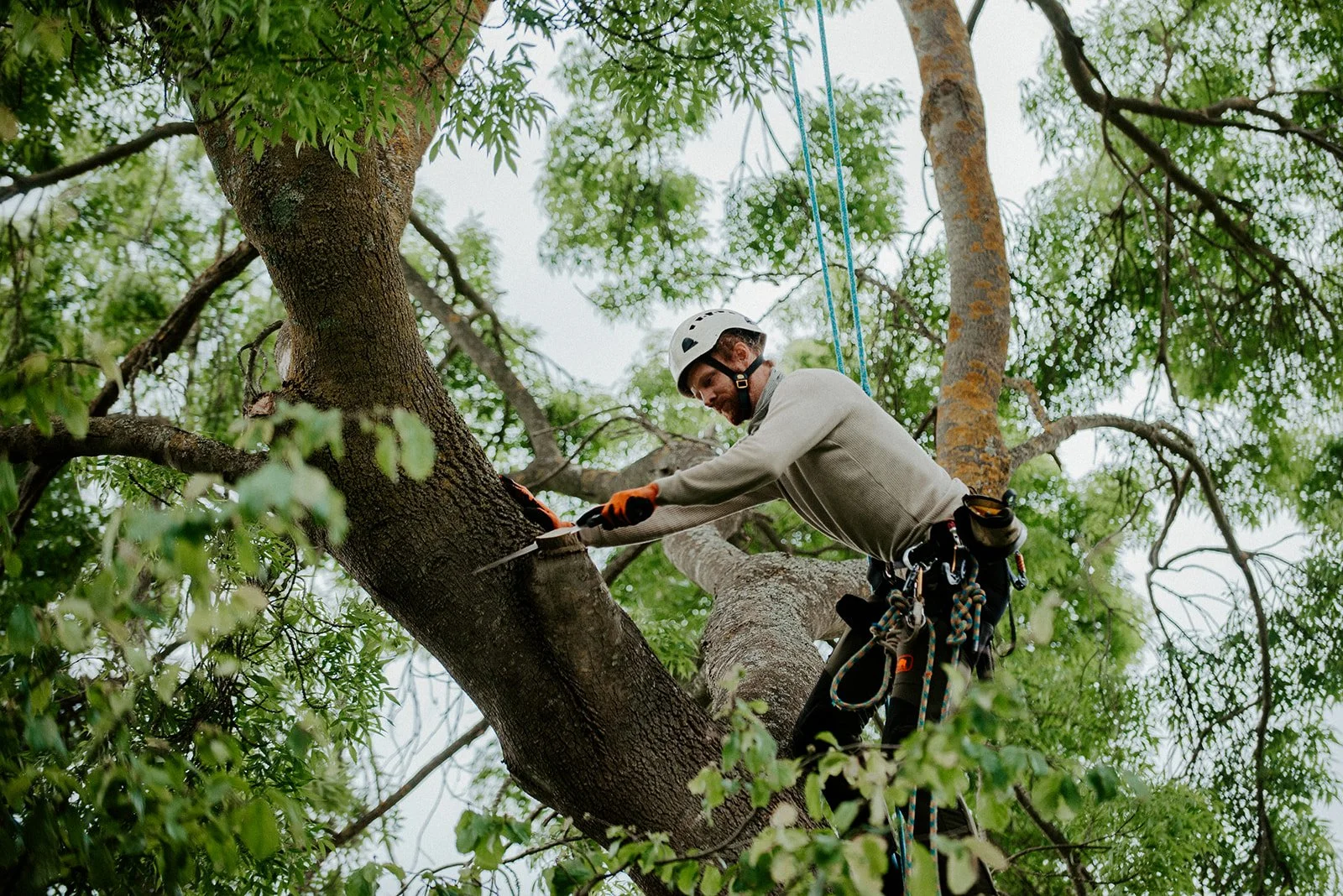
Tree lopping involves the selective removal or cutting back of tree branches to manage growth, maintain safety, and preserve urban infrastructure. This practice fundamentally reshapes tree lopping Sydney landscapes by controlling canopy density and altering the visual character of streets and public spaces.
Sydney’s urban forest provides essential ecosystem services—from cooling city temperatures to filtering air pollution and supporting native wildlife. Trees define neighbourhood character, create natural corridors through built environments, and offer psychological benefits to residents navigating dense urban settings. The city’s iconic fig trees, eucalypts, and heritage-listed specimens form living landmarks that anchor community identity.
The relationship between urban environment management and social memory runs deeper than aesthetics. When familiar trees undergo significant lopping or removal, residents experience tangible disconnection from place-based memories. That corner tree where children climbed, the shaded avenue where couples walked, or the canopy visible from a bedroom window—these elements weave into daily life and collective storytelling.
How Tree Lopping Shapes the Sydney Cityscape and Social Memory extends beyond horticultural practice into cultural preservation. Each decision to lop, prune, or remove vegetation rewrites both physical geography and emotional topography. Councils, arborists, and communities must recognise that managing Sydney’s trees means stewarding shared heritage alongside environmental health.
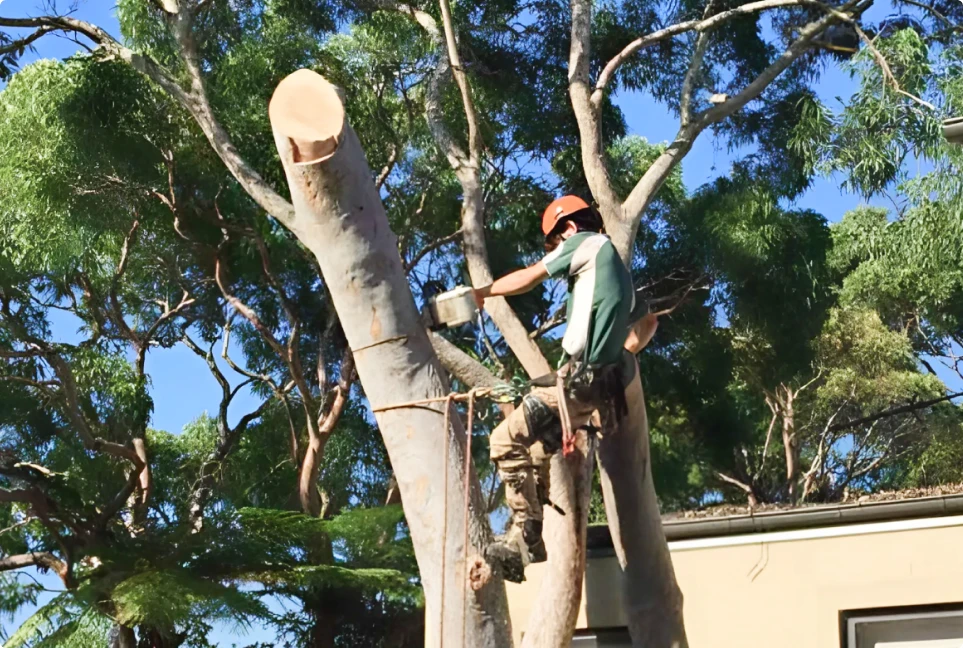
Tree lopping encompasses several distinct methods, each creating unique impacts on Sydney’s urban landscape. Tree pruning represents the most controlled approach, involving selective removal of branches to maintain tree health, whilst heavy lopping removes substantial portions of the canopy, often leaving only main trunks or limbs.
The most common practices across Sydney include:
Each technique produces different effects on urban greenery. Crown reduction maintains the tree’s aesthetic contribution to streetscapes whilst managing size constraints near buildings and power lines. This practice preserves the natural silhouette that residents recognise and value. Pollarding, though effective for managing tree size in confined spaces, dramatically transforms tree appearance, creating uniform shapes that some consider visually jarring against Sydney’s natural landscape character.
The impact on natural canopy varies significantly between methods. Light tree pruning maintains approximately 70-80% of the original canopy, allowing trees to continue providing shade, cooling effects, and habitat for urban wildlife. Heavy lopping can remove up to 90% of foliage, fundamentally altering how trees function within the ecosystem and reducing their capacity to filter air pollutants and manage stormwater runoff.
Visual aesthetics shift dramatically depending on lopping intensity. Sydney’s iconic tree-lined streets in suburbs like Glebe and Paddington rely on continuous canopy cover that creates green tunnels and defines neighbourhood character. When councils implement aggressive lopping programmes, these streetscapes lose their cohesive appearance. The resulting gaps in canopy coverage expose previously shaded facades, change light patterns on footpaths, and alter the intimate scale that makes many Sydney streets distinctive.
Public spaces experience particularly noticeable transformations. Parks that once featured mature, spreading trees may appear sparse and exposed after lopping interventions. The reduced shade coverage affects how residents use these spaces during hot summer months, potentially discouraging outdoor activities and impacting community interactions.
Improper tree lopping can severely compromise tree health and reduce lifespan by exposing trees to disease, pest infestation, and structural weakness. When branches are cut incorrectly—particularly through topping or excessive removal—trees lose their natural defence mechanisms and struggle to heal properly.
The pruning impact on Sydney’s urban forest extends beyond individual trees. Excessive lopping removes substantial portions of the canopy, reducing the tree’s ability to photosynthesise and produce energy for growth and repair. This stress weakens the entire organism, making it vulnerable to:
Sydney’s diverse tree species respond differently to lopping practices. Native eucalypts, for instance, possess remarkable regenerative abilities but can develop epicormic growth—dense clusters of shoots that create future maintenance problems. Exotic species like plane trees may tolerate regular pruning when done correctly, yet suffer catastrophic decline when topped or stripped of major limbs.
The decline in tree vitality directly impacts urban biodiversity. Mature trees with full canopies provide essential habitat for native birds, possums, and insects. When lopping reduces canopy density and creates dead wood, these ecological niches disappear. The loss cascades through the urban ecosystem, affecting pollination, seed dispersal, and the complex web of species interactions that characterise healthy green spaces.
Striking the right balance between maintenance and preservation requires understanding each tree’s biology and role within its environment. Arborists trained in proper techniques can maintain tree safety without compromising long-term health through methods such as:
Sydney’s climate adds complexity to this balance. Extended dry periods stress trees already weakened by poor lopping, whilst intense storms can cause improperly pruned trees to fail catastrophically. The city’s aging tree population—many specimens planted during post-war urban expansion—faces additional pressures from development and changing land use patterns.
Trees are more than just plants in Sydney; they are living symbols that tell the story of the city’s past and present. They mark important historical events and serve as gathering places for generations of residents.
One such example is the Moreton Bay Fig at Macquarie Street, which was planted in the 1840s. This tree stands as a witness to colonial expansion while also representing resilience for contemporary Sydneysiders. These cultural heritage trees anchor communities to specific locations, creating tangible connections between past and present inhabitants.
Certain tree species have become synonymous with particular suburbs, shaping local identity through their distinctive presence. For instance, the jacaranda-lined streets of Kirribilli burst into purple each spring, creating an annual spectacle that residents anticipate and celebrate collectively. This seasonal transformation generates communal memory as families photograph children beneath the same canopies their grandparents once stood under, weaving individual stories into broader neighbourhood narratives. Similarly, those who have experienced the beauty of a jacaranda tree will understand its profound impact on local identity and culture.
Trees embedded in Sydney’s landscape serve multiple identity-forming functions:
The relationship between residents and significant trees extends beyond aesthetic appreciation. When a beloved tree faces removal or severe lopping, community petitions and protests frequently emerge, revealing deep emotional investments in these natural features. The 2015 campaign to save the Anzac Parade figs demonstrated how trees become repositories of collective experience, with residents describing them as “silent witnesses” to family milestones and neighbourhood evolution.
Indigenous communities maintain particularly profound connections to specific trees, viewing them as custodians of ancestral knowledge and cultural continuity. Scar trees throughout Sydney’s remaining bushland areas represent tangible links to pre-colonial land use, their modified bark telling stories of resource gathering and ceremonial practices.
Tree lopping fundamentally disrupts the physical markers that anchor social memory within neighbourhoods, erasing the visual cues that trigger collective recollection and shared narratives. When a century-old fig tree loses its distinctive canopy or a familiar eucalyptus is reduced to a stump, the community loses more than vegetation—it loses a reference point for stories, meetings, and generational connections that define local identity.
The removal or severe reshaping of landmark trees severs the thread connecting residents to their neighbourhood’s past. In suburbs like Glebe and Balmain, residents often recall childhood memories tied to specific trees—the Moreton Bay fig where school children gathered, the plane tree that marked the corner where neighbours met. Tree lopping transforms these memory anchors into unrecognisable forms, making it difficult for long-term residents to orient themselves within their own community identity.
Storytelling traditions suffer particularly when trees that featured in local folklore or historical accounts disappear. The oral histories passed between generations—tales of protests under particular trees, marriage proposals beneath specific canopies, or children’s games around distinctive trunks—lose their physical context. Without the tree as a tangible reference, these narratives become abstract, disconnected from the landscape that gave them meaning.
The psychological impact on residents who have formed deep attachments to specific trees extends beyond simple nostalgia. Research into place attachment reveals that people develop relationships with natural features similar to those with community members. When a beloved tree undergoes drastic lopping, residents experience genuine grief and a sense of loss that affects their connection to place.
Long-term residents particularly struggle with these changes:
The social fabric weakens when these shared touchstones disappear. Conversations that once began with “remember the tree where…” now encounter blank spaces in collective understanding. Newer residents cannot access the same depth of community
Local councils are the main authorities responsible for regulating tree lopping activities throughout Sydney. They have established detailed guidelines that specify when, where, and how trees can be pruned or removed. Each council area has its own set of rules known as the Development Control Plan (DCP) and tree preservation orders, which can make it challenging for property owners and arborists to understand and comply with the regulations.
For example, the City of Sydney Council requires property owners to submit development applications if they want to carry out work on significant trees. These trees are defined by specific measurements of their trunk diameter and classifications of their species. Councils also keep records of heritage-listed trees and those located within conservation areas, where there are stricter restrictions on lopping. Property owners who wish to lop trees often need to provide valid justifications such as risks of structural damage, management of diseases, or interference with essential infrastructure.
The policies regarding urban tree management differ significantly between various council jurisdictions:
Councils often face ongoing tension between conflicting priorities. On one hand, public safety requires immediate action when trees pose threats to properties or pedestrians, especially during storm seasons when weakened branches can become genuine hazards. On the other hand, environmental conservation objectives call for the preservation of mature trees that provide irreplaceable ecosystem services and contribute towards Sydney’s target of achieving 40% canopy cover by 2050.
The process of obtaining approval for tree lopping presents its own set of challenges. Council arborists are responsible for assessing applications within limited timeframes while also conducting site inspections, reviewing reports from arborists, and considering objections raised by the community. However, budget constraints mean that many councils do not have enough staff members to effectively monitor compliance or take action against illegal cases of lopping.
If tree work is carried out without proper authorisation, there can be significant penalties imposed. Under New South Wales legislation, corporations can face fines of up to $1.1 million for such violations. Some councils have appointed tree protection officers who investigate complaints and prosecute offenders, but due to limited resources, only the most serious cases may end up in court.
Another factor that adds complexity to the situation is the requirement for community consultation by councils. They must find a balance between residents who strongly believe that certain trees are important symbols in their neighbourhoods and property owners who raise legitimate concerns about maintenance issues. This dynamic creates scenarios where managing urban trees involves not only enforcing regulations but also mediating social relationships among different stakeholders.
Indigenous heritage shapes tree management decisions through the recognition of culturally significant trees, particularly scar trees that bear evidence of Aboriginal land use practices. These trees—marked by the removal of bark for canoes, shields, or shelters—represent living connections to pre-colonial Sydney and require special consideration before any lopping or maintenance work proceeds.
Scar trees stand as tangible records of Indigenous occupation, with some specimens in Sydney dating back hundreds of years. The bark removal patterns tell stories of resource use, seasonal movements, and cultural practices that predate European settlement. Urban forestry teams now conduct cultural heritage assessments before undertaking tree work in areas where scar trees may exist, recognising that these specimens cannot be replaced once damaged or removed.
The City of Sydney and surrounding councils have developed protocols that integrate Indigenous knowledge into tree management frameworks. These protocols include:
Local Aboriginal communities participate directly in decision-making processes when tree lopping might affect culturally significant sites. The Metropolitan Local Aboriginal Land Council works alongside councils to ensure that Indigenous heritage considerations receive equal weight with safety and environmental factors. This collaborative approach acknowledges that How Tree Lopping Shapes the Sydney Cityscape and Social Memory extends beyond recent European history to encompass thousands of years of Aboriginal connection to Country.
Several Sydney councils now employ Indigenous heritage officers who review tree maintenance applications in sensitive areas. These officers assess whether proposed lopping work might impact scar trees or other culturally significant vegetation. The Barangaroo development project demonstrated this approach by preserving identified scar trees and incorporating them into public space design, creating educational opportunities for residents and visitors.
Tree management policies increasingly reflect the understanding that Indigenous perspectives enrich urban forestry practices. By protecting scar trees and consulting with Traditional Custodians, councils preserve irreplaceable cultural resources whilst maintaining the urban forest. This recognition transforms tree lopping from a purely technical exercise into a practice that honours the deep cultural layers embedded within Sydney’s landscape.
Sustainable urban forestry requires integrating ecological health with the social and cultural values communities attach to their trees. Sydney’s tree management succeeds when it acknowledges that urban forests serve multiple functions—they provide environmental services whilst simultaneously anchoring neighbourhood identity and preserving historical narratives.
The ecological dimension focuses on maintaining tree vitality, supporting biodiversity, and ensuring canopy coverage that mitigates urban heat and improves air quality. Trees contribute to climate resilience, yet their environmental value cannot be assessed in isolation from the human communities they serve. Residents develop relationships with specific trees over decades, creating attachments that shape how they experience their local environment.
Heritage preservation becomes essential when trees function as living monuments. Some specimens have witnessed generations of Sydney families, marked significant historical events, or define the character of particular suburbs. Lopping decisions that prioritise only structural safety or infrastructure convenience risk erasing these tangible connections to place and history.
The social dimension recognises that trees create gathering spaces, frame childhood memories, and provide continuity during rapid urban change. When councils remove or heavily lop established trees without community consultation, they disrupt the psychological geography residents use to navigate their neighbourhoods. This disruption extends beyond aesthetics—it affects mental well-being and the sense of stability people derive from familiar landscapes.
Successful tree management in Sydney demands:
This integrated approach ensures tree management decisions support both the city’s environmental future and the social fabric binding its diverse communities together.
How can Sydney preserve both its trees and its stories for future generations?
The answer lies in recognising that tree lopping impact extends far beyond the physical act of cutting branches. Every pruning decision shapes the Sydney cityscape whilst simultaneously influencing the memories, identities, and cultural connections that residents hold dear. Trees stand as silent witnesses to community history, marking significant events and serving as gathering points that bind neighbourhoods together.
Responsible tree management demands a multi-layered approach:
The relationship between Sydney’s residents and their urban forest represents more than environmental stewardship—it embodies shared identity and collective memory. When councils, arborists, and communities work together, they create outcomes that honour both the practical needs of urban living and the deeper cultural significance of trees.
Ready to ensure your tree maintenance respects Sydney’s heritage? Contact qualified arborists who understand how tree lopping shapes the Sydney cityscape and social memory, protecting both your local environment and the stories it holds for generations to come.
Learn about: Tree Cutting Services and the Balance Between Development and Conservation
Tree lopping is the selective removal or cutting back of tree branches to manage growth, maintain safety, and preserve infrastructure. It shapes canopy density, street aesthetics, and the overall character of neighbourhoods.
Common practices include crown reduction, deadwooding, crown thinning, pollarding, and crown lifting. Each technique impacts tree health, visual appearance, and canopy coverage differently.
Improper lopping can expose trees to disease, pests, sunscald, and structural weaknesses. Proper techniques like selective pruning and timing cuts correctly help maintain vitality and lifespan.
Yes. Trees serve as visual and emotional landmarks. Removing or heavily lopping significant trees can disrupt collective memories, local traditions, and neighborhood identity.
Councils set guidelines through Development Control Plans and Tree Preservation Orders. They assess applications, enforce permits, and balance public safety with environmental and heritage preservation.
Culturally significant trees, like scar trees, are protected through consultation with Aboriginal Land Councils, cultural heritage mapping, and training arborists to recognize Indigenous heritage sites.
Trees provide ecological benefits while anchoring community identity and preserving heritage. Integrating these factors ensures sustainable urban forestry that respects both nature and human communities.
Excessive canopy removal reduces habitat for birds, possums, and insects, disrupts pollination and seed dispersal, and diminishes the ecological functions of Sydney’s urban forest.
Approval processes can be complex due to council variations, community consultation requirements, and the need to justify work on heritage or conservation-listed trees.
Successful management combines arboricultural expertise, community engagement, heritage and Indigenous consultation, safety considerations, and long-term ecological planning.