Address
304 North Cardinal St.
Dorchester Center, MA 02124
Work Hours
Monday to Friday: 7AM - 7PM
Weekend: 10AM - 5PM
Address
304 North Cardinal St.
Dorchester Center, MA 02124
Work Hours
Monday to Friday: 7AM - 7PM
Weekend: 10AM - 5PM


 Byadmin
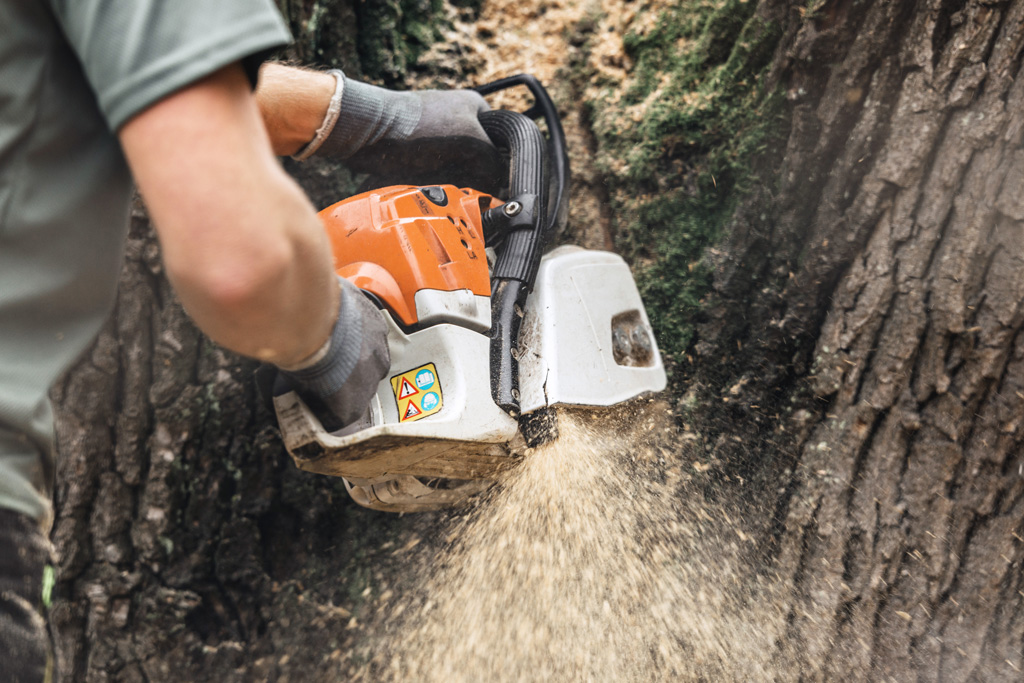
Tree cutting services encompass a range of professional activities, including pruning, removal, and overall management of trees on both private and public land. These services rely on certified arborists and tree care specialists who assess tree health, mitigate safety risks, and ensure all maintenance or removal work complies with industry standards and local environmental regulations.
In today’s rapidly expanding cities, demand for tree cutting services continues to rise as urban areas grow and land is cleared for housing, infrastructure, and commercial projects. However, balancing development with conservation is crucial. Uncontrolled removal of trees can disrupt ecosystems that have taken decades to mature. Sustainable tree cutting services aim to strike a balance—supporting safe urban growth while protecting the natural environments essential to community well-being and biodiversity.
Maintaining biodiversity during urban growth brings about real advantages:
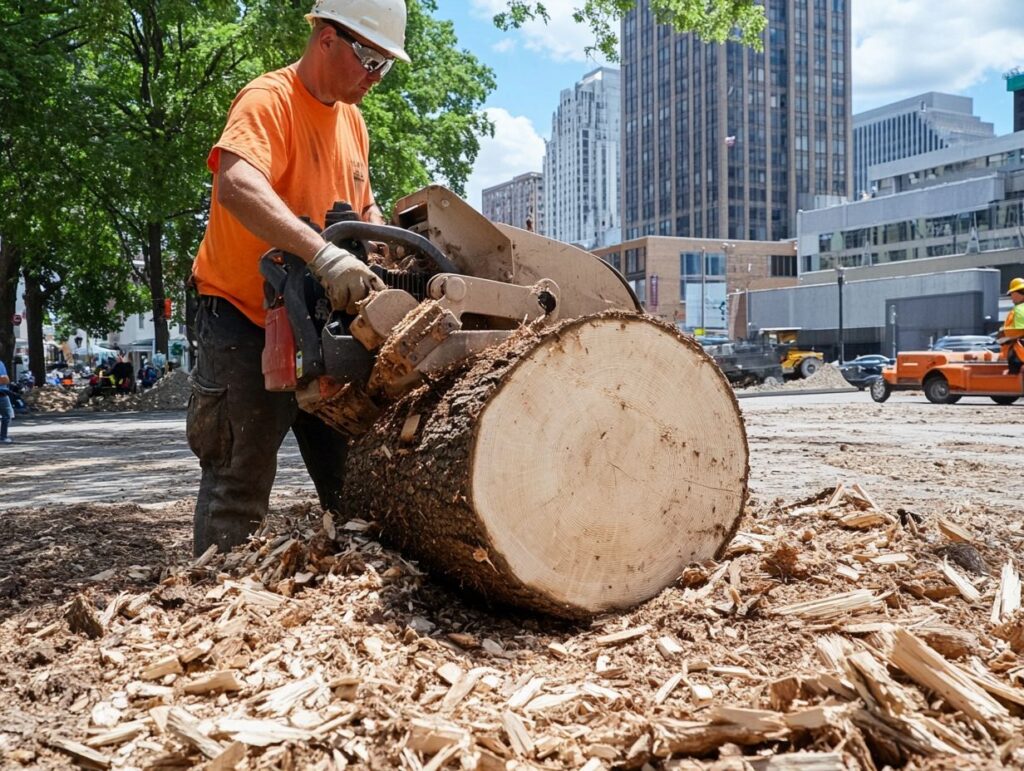
The connection between tree cutting services and the balance between development and conservation lies in the implementation of sustainable practices. Professional services must assess the ecological value of each tree, determine whether removal is necessary, and consider alternatives such as relocation or pruning. This approach guarantees that cities can expand without sacrificing the natural resources that contribute to making communities livable and resilient.
Tree cutting regulations establish legal boundaries that protect significant vegetation whilst accommodating legitimate development needs. These frameworks mandate permits for tree removal in most circumstances, creating a system where property owners must justify proposed works before proceeding. The regulatory approach recognises that trees provide essential ecosystem services—from habitat provision to climate regulation—that warrant protection through formal oversight.
Geographic variations significantly impact regulatory requirements:
Permits for tree removal serve as the primary compliance mechanism. Property owners must submit detailed applications demonstrating why removal is necessary, often including arborist assessments and site plans. The approval process evaluates whether proposed works align with conservation objectives or whether alternatives like pruning could achieve the desired outcome.
Councils maintain protected tree registers identifying specimens that require special consideration due to age, species, cultural significance, or ecological value. Trees listed on these registers face heightened scrutiny during permit assessment, with refusal rates higher for applications lacking compelling justification. Processing times typically range from two to eight weeks depending on application complexity and local workload.
Moreover, the need for such regulatory frameworks is underscored by studies indicating that unsustainable tree cutting practices can lead to severe environmental degradation, highlighting the importance of these regulations in preserving our natural resources.
Tree preservation laws create specific protections for native tree species and heritage-listed trees through targeted legal classifications and assessment requirements. These regulations recognise that certain trees hold irreplaceable ecological, cultural, or historical value that demands safeguarding.
Native tree protection focuses on indigenous species that form the backbone of local ecosystems. In New South Wales, species like Eucalyptus and Melaleuca receive special legal status because they:
Heritage trees carry protection based on their cultural and historical significance rather than species alone. These specimens often:
Property owners cannot remove protected native or heritage trees without demonstrating compelling reasons and obtaining specific approvals. Assessment processes require detailed documentation of the tree’s condition, alternative solutions, and proposed mitigation measures. Penalties for unauthorised removal can include substantial fines and mandatory replanting requirements.
Local councils are responsible for making decisions about tree management. They keep detailed records of protected trees and handle applications for tree removal within their areas. These councils evaluate each application based on planning schemes and conservation goals to determine if the proposed actions align with the community’s environmental standards.
Property owners need to go through the permit application process in certain situations:
The application for tree works includes several important documents and information:
In addition to the documentation mentioned above, there are also administrative requirements that need to be fulfilled:
Local councils have tree management teams who review submissions against protected tree registers. These registers contain information about significant specimens, including their species, size, location, and conservation value. This systematic approach ensures that decisions regarding tree cutting services strike a balance between development needs and conservation efforts.
If an application is approved, it may come with certain conditions attached. For example, specific pruning methods or mandatory replanting schedules may be required as part of the approval process. This creates accountability frameworks that help preserve ecological value in urban areas while still allowing for legitimate development activities to take place.
Certified arborists play a crucial role in tree cutting services by acting as intermediaries between property owners and regulatory authorities. They provide professional assessments that help determine whether tree removal is necessary or if there are alternative solutions available.
The primary responsibility of certified arborists is to evaluate the health of trees. They do this through a systematic inspection that looks at various factors such as:
In addition to assessing tree health, arborists also conduct comprehensive risk assessments. These assessments identify potential hazards that could pose a threat to people, buildings, and infrastructure. Some of the key factors examined during these assessments include:
The reports generated by certified arborists are essential for permit applications. These reports provide councils with scientifically sound evidence that helps them make informed decisions regarding tree removal or preservation. The documents include details such as:
Arborist expertise is vital for ensuring compliance with environmental regulations. They play a key role in making sure that pruning techniques adhere to AS 4373-2007 standards, specifying removal methods that minimise disruption to the ecosystem, and recommending native species for replacement planting.
Many councils require arborist reports from qualified professionals who hold Level 5 AQF certification or equivalent credentials.
When councils review applications related to tree cutting or preservation, they place significant importance on arborist assessments. These assessments carry considerable weight in determining whether approval will be granted, especially for protected or significant trees where conservation priorities need to be balanced against development needs.
Emergency tree removal becomes necessary when a tree poses an immediate threat to life or property. Most councils permit removal without prior approval when trees are dead, dying, or structurally unstable to the point of imminent collapse. Severe storm damage, disease-weakened limbs overhanging buildings, or root systems compromising structural foundations typically qualify for urgent action.
Property owners must still document the emergency through photographs and professional assessments. Councils may request evidence post-removal to verify the threat was genuine and immediate.
Many local guidelines exempt small trees from approval requirements based on specific measurements:
These thresholds vary between municipalities. Some areas set limits at 5 cm diameter, whilst others extend exemptions to 15 cm depending on local conservation priorities.
Important considerations include:
Property owners should verify their council’s specific exemption criteria before proceeding. Removing a protected tree without authorisation—even if small—can result in substantial penalties ranging from thousands to tens of thousands of pounds in fines.
Responsible tree management achieves equilibrium by conducting thorough assessments before any removal or pruning work begins. Property owners and developers must evaluate each tree’s species, size, and overall health to determine whether removal is genuinely necessary or if alternative solutions like selective pruning could preserve the tree whilst accommodating development plans.
Species evaluation forms the foundation of responsible decision-making. Native species like Eucalyptus provide critical habitat for wildlife and contribute to local ecosystem stability, making them priorities for retention. Non-native invasive species, conversely, may warrant removal to protect indigenous flora.
Health and structural assessments conducted by certified arborists identify trees that pose genuine safety risks versus those that remain viable with proper care. A declining tree might require removal, whilst a healthy specimen could be incorporated into landscape design through strategic planning.
Planning removals strategically minimises ecological disruption:
Tree Cutting Services and the Balance Between Development and Conservation relies on this measured approach. Developers can progress projects whilst maintaining green infrastructure that supports biodiversity, manages stormwater, and provides community amenity. This methodology ensures land use changes occur without sacrificing the environmental benefits that mature trees deliver to urban and suburban landscapes.
Urban trees provide essential environmental services that directly impact community health and infrastructure resilience. Without proper balance between development and conservation, cities lose critical natural systems that protect against environmental degradation and climate impacts.
Tree root systems anchor soil in place, preventing erosion on slopes and along waterways. A mature tree can intercept up to 15,000 litres of stormwater annually through its canopy and root absorption, reducing flood risk and improving water quality by filtering pollutants before they reach drainage systems.
Trees act as natural carbon sinks, with a single mature tree absorbing approximately 22 kilograms of CO₂ per year. Urban forests collectively store significant carbon volumes whilst releasing oxygen, creating cooler microclimates through shade and transpiration. This cooling effect reduces urban heat island impacts by 2-8°C in densely developed areas.
Native trees support complex ecosystems hosting hundreds of insect, bird, and mammal species. The biodiversity preservation importance extends beyond individual species—interconnected habitats maintain genetic diversity and ecological resilience. Heritage trees often serve as keystone species, providing irreplaceable nesting sites and food sources.
Tree-lined streets increase property values by 7-15% whilst improving mental health outcomes. Green spaces with mature trees encourage physical activity, reduce stress, and foster social connections within neighbourhoods.
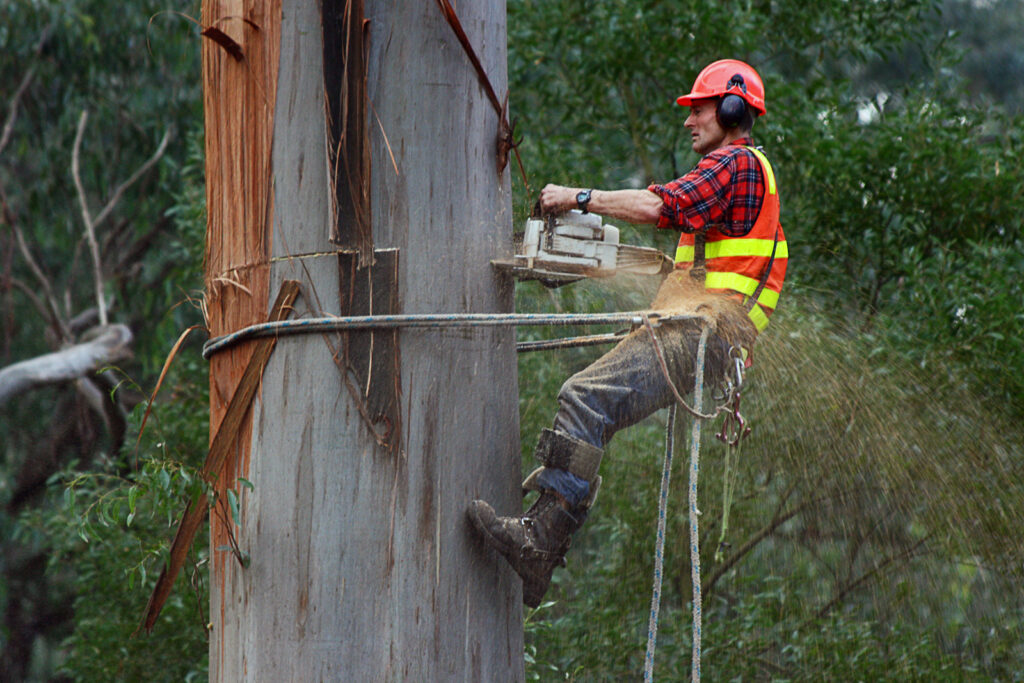
Tree Cutting Services and the Balance Between Development and Conservation requires active participation from property owners, developers, and communities. Sustainable development through tree cutting services depends on your commitment to following local regulations and consulting certified arborists before removing trees.
Take action today:
Your choices directly impact biodiversity, climate resilience, and community well-being. Support regulations that protect natural resources whilst enabling responsible development. Contact your local council or a certified arborist to ensure your next project balances progress with preservation.
Lean about: How Tree Lopping Shapes the Sydney Cityscape and Social Memory
Tree cutting services include professional activities such as pruning, removal, and overall tree management. Certified arborists assess tree health, mitigate safety risks, and ensure work complies with regulations.
Balancing development with conservation protects ecosystems, preserves biodiversity, prevents soil erosion, regulates urban climate, and supports community well-being while allowing safe urban growth.
Maintaining biodiversity provides wildlife habitats, stabilises soil, absorbs carbon dioxide, cools urban heat islands, and enhances community mental health and property values.
Permits are typically required for tree removal or major pruning, especially for heritage-listed trees, protected native species, or trees in conservation areas. Small trees, saplings, or emergency removals may be exempt.
Local councils review applications for tree removal or pruning. They assess site plans, arborist reports, and alignment with conservation goals and protected tree registers.
Certified arborists evaluate tree health, conduct risk assessments, recommend pruning or removal methods, and provide reports required for permit applications to ensure compliance with environmental standards.
These laws safeguard ecologically, culturally, or historically significant trees by restricting removal, requiring permits, and enforcing compliance through inspections and fines for unauthorised actions.
Emergency situations (e.g., structural instability or storm damage) or trees below size thresholds may allow removal without prior approval. Protected or heritage trees generally require formal permission regardless of size.
By assessing tree species, health, and ecological value, using selective pruning or relocation alternatives, retaining habitat corridors, and replacing removed trees with native species to maintain biodiversity.
It preserves environmental services, supports climate resilience, safeguards biodiversity, maintains heritage and community identity, and ensures safe, sustainable urban growth without compromising ecosystems.