Address
304 North Cardinal St.
Dorchester Center, MA 02124
Work Hours
Monday to Friday: 7AM - 7PM
Weekend: 10AM - 5PM
Address
304 North Cardinal St.
Dorchester Center, MA 02124
Work Hours
Monday to Friday: 7AM - 7PM
Weekend: 10AM - 5PM


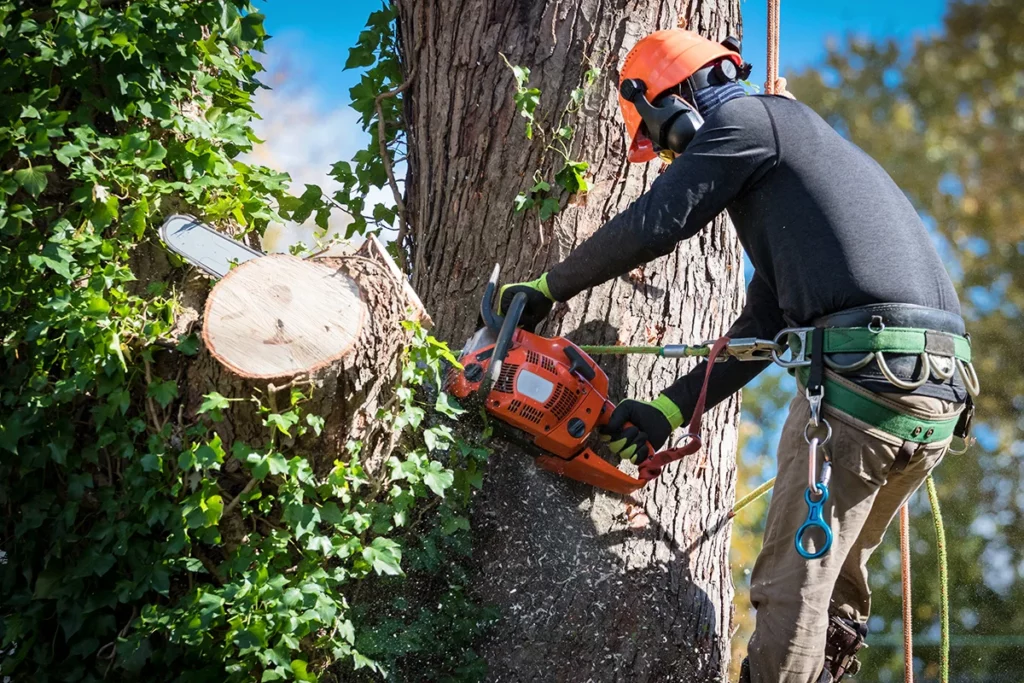
This guide weighs when DIY tree cutting might make sense and when they are far better off calling a qualified arborist.
Sometimes, but DIY tree cutting can become expensive once they factor in tool hire, tip fees, and fix-ups. A single mistake can wipe out any savings fast.
They may need a chainsaw, PPE, ropes, wedges, a ladder, and a trailer. Then there is green waste disposal, which can be costly in metro areas like Sydney, Melbourne, and Brisbane if they do not have council collection options.
The most common injuries are cuts, crush injuries, falls, and chainsaw related trauma. DIY tree cutting also increases the chance of head injuries when limbs drop unpredictably.
Kickback can happen in a split second. Even a small log can roll, pin, or strike them, especially on sloped blocks common in parts of Perth Hills, Adelaide Hills, and the Blue Mountains.
Yes, and it happens more often than people admit. DIY tree cutting can drop limbs onto roofs, gutters, cars, fences, sheds, and pools.
Even if they plan a “safe” fall line, trees can twist, barber chair, or bounce on impact. In tight suburban blocks across Canberra, Hobart, and inner city Melbourne, there is often no clean drop zone at all.
Yes, and this is one of the biggest red lines. DIY tree cutting near overhead lines can be fatal, and in Australia it can also trigger major liability.
If a branch contacts the service line to a house or, worse, the street mains, they can face emergency callout costs and investigations. In many cases, only authorised line clearance crews should work near electrical assets.
Not always. Many Australian councils regulate removal and heavy pruning, particularly for significant, native, or protected trees.
DIY tree cutting can lead to penalties if they remove a tree without a permit, even on their own land. Rules vary widely across NSW, VIC, QLD, SA, WA, TAS, and the ACT, so they need to check their local council, overlays, and any vegetation protection orders before starting.
It can complicate claims. DIY tree cutting may be seen as unlicensed or unsafe work, and insurers may question liability if damage occurs.
If they drop a limb onto a neighbour’s car or crack their own roof, the insurer may ask whether reasonable care was taken. They should read their Product Disclosure Statement and, if unsure, confirm coverage before attempting any tree work.
The hidden costs are usually disposal, tool hire, and repairs. DIY tree cutting also creates time costs, especially if they underestimate how long bucking, stacking, and loading green waste takes.
They might also need stump grinding, root barrier work, or termite and drainage checks afterward. If the tree is close to a fence line, they may end up paying for boundary repairs and neighbour disputes.
It goes wrong most often when the tree is tall, dead, leaning, or close to structures. DIY tree cutting becomes far riskier when they cannot clearly control where each section will land.
Wind is another factor. Coastal areas around Newcastle, the Gold Coast, and Geelong can shift conditions quickly. A light gust can move a hanging limb at exactly the wrong moment.
Yes, but only for genuinely small, low risk tasks. DIY tree cutting is usually safer when they are dealing with small branches they can cut from the ground, well away from powerlines and buildings.
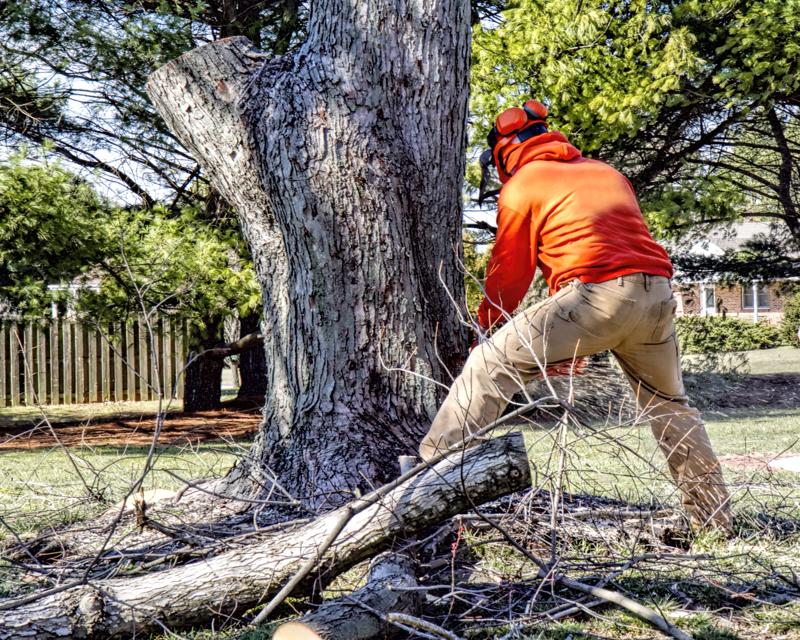
If they can stand on level ground, keep two hands on the saw, and the branch is light enough to control, it may be reasonable to proceed while following a tree service checklist. They still need PPE, a clear drop zone, and a plan for managing bind and spring in the timber.
At minimum, they need proper PPE and the right cutting tools. DIY tree cutting without safety gear is where minor jobs become serious accidents.
A practical baseline includes eye protection, hearing protection, chainsaw chaps, gloves, steel capped boots, and a helmet. They also need a sharp chain, correct chain tension, and a safe fuel and start routine. Ladders and elevated cutting add risk and are best avoided.
In most cases, no. DIY tree cutting from a ladder is a common pathway to falls, because they lose stability while managing a moving saw and a shifting branch.
If the cut pinches, the saw can jerk. If the limb swings, it can knock the ladder. If they feel tempted to climb, it is usually a sign the job has crossed into arborist territory.
If any of these apply, it is typically too dangerous: deadwood overhead, trunk cracks, heavy lean, fungus at the base, hollow sound, multiple leaders, or targets underneath like roofs and fences. DIY tree cutting is also a bad idea when they cannot predict the fall due to tight access.
In Australian backyards, another warning sign is termites or borer damage, which can make the trunk fail unexpectedly during a cut.
Often, yes, because they are paying for risk control, not just cutting. DIY tree cutting rarely accounts for the cost of rigging skill, insurance, and safe dismantling.
Qualified arborists can section a tree down with ropes, lowering devices, and controlled cuts. They can also advise on pruning that keeps the tree healthy, which matters for natives like eucalypts that can drop limbs if stressed.
They should check legality, safety, and logistics first. DIY tree cutting is most likely to end badly when they skip the planning.
A simple checklist helps:
DIY tree cutting is only worth it for small, ground based pruning where they can control the limb and the consequences. For anything tall, heavy, close to structures, or near powerlines, the risk usually outweighs the savings.
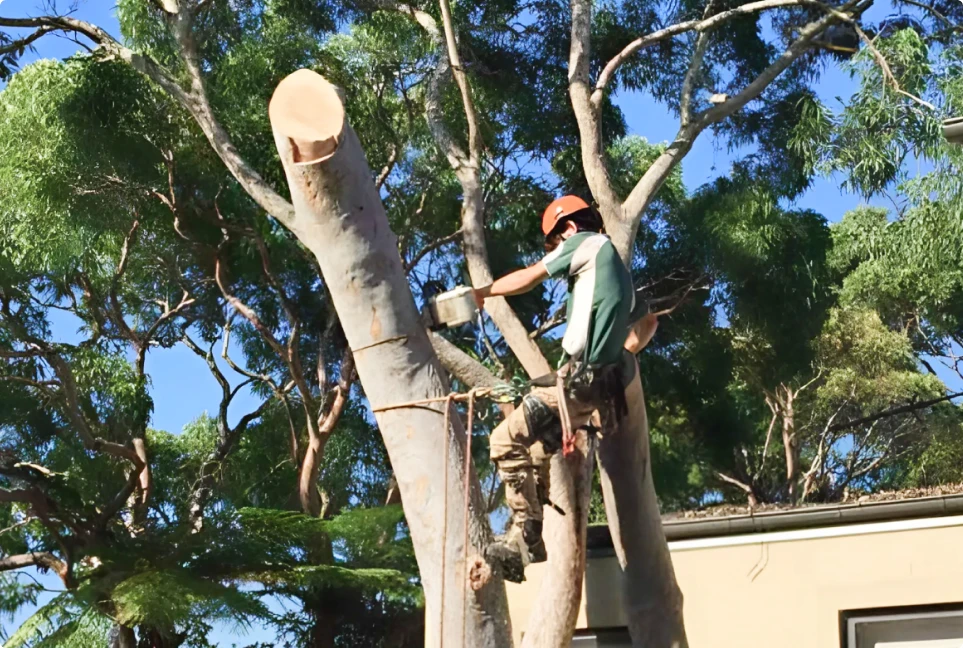
In most Australian suburbs, the safer and often cheaper outcome is to get a licensed, insured arborist to assess the tree, confirm council requirements, and remove or prune it with controlled techniques.
DIY tree cutting can sometimes seem cheaper initially, but once you factor in costs like tool hire, green waste disposal fees, and potential repairs from mistakes, it often becomes more expensive. Hiring a qualified arborist can be more cost-effective as they manage risks and provide expertise that prevents costly errors.
The most common injuries include cuts, crush injuries, falls, and chainsaw-related trauma. DIY tree cutting also increases the risk of head injuries from falling limbs and sudden chainsaw kickback. Sloped blocks common in areas like Perth Hills and Blue Mountains add to the hazards.
Yes, DIY tree cutting can easily result in limbs dropping onto roofs, gutters, cars, fences, sheds, or pools. Trees may twist or bounce unpredictably during a cut, especially in tight suburban blocks where there is limited safe drop zone.
Many Australian councils regulate tree removal and heavy pruning, especially for significant or protected native trees. Removing trees without permits can lead to penalties. Rules vary widely across states like NSW, VIC, QLD, SA, WA, TAS, and ACT; always check local council regulations before starting any work.
DIY tree cutting may be considered unlicensed or unsafe work by insurers. If damage occurs during such work—like dropping a limb on a neighbour’s car—insurers might question liability and coverage. It’s important to review your Product Disclosure Statement and confirm coverage before undertaking any tree work yourself.
DIY tree cutting is generally safer only for small branches that can be cut from the ground away from powerlines and buildings. Tasks involving tall trees, deadwood overhead, leaning trunks, or proximity to structures are best left to qualified arborists due to higher risks of injury and property damage.
<script type="application/ld+json">
{
  "@context": "https://schema.org",
  "@type": "Article",
  "mainEntityOfPage": {
    "@type": "WebPage",
    "@id": "https://newsronic.com/is-diy-tree-cutting-ever-actually-worth-the-risk/"
  },
  "headline": "Is DIY Tree Cutting Ever Actually Worth the Risk?",
  "image": [
    "https://newsronic.com/wp-content/uploads/2026/09/choosing-the-best-time-for-tree-removal.jpg",
    "https://newsronic.com/wp-content/uploads/2026/09/tree-removal-cost-sydney.webp",
    "https://newsronic.com/wp-content/uploads/2025/10/service_Tree_Pruning.webp"
  ],
  "author": {
    "@type": "",
    "name": "Summer Goode",
    "url": "https://newsronic.com/author/admin/"
  },
  "publisher": {
    "@type": "Organization",
    "name": "News Ronic",
    "logo": {
      "@type": "ImageObject",
      "url": "https://newsronic.com/wp-content/uploads/2024/07/News-Ronic.png"
    }
  },
  "datePublished": ""
}
</script>