Address
304 North Cardinal St.
Dorchester Center, MA 02124
Work Hours
Monday to Friday: 7AM - 7PM
Weekend: 10AM - 5PM
Address
304 North Cardinal St.
Dorchester Center, MA 02124
Work Hours
Monday to Friday: 7AM - 7PM
Weekend: 10AM - 5PM


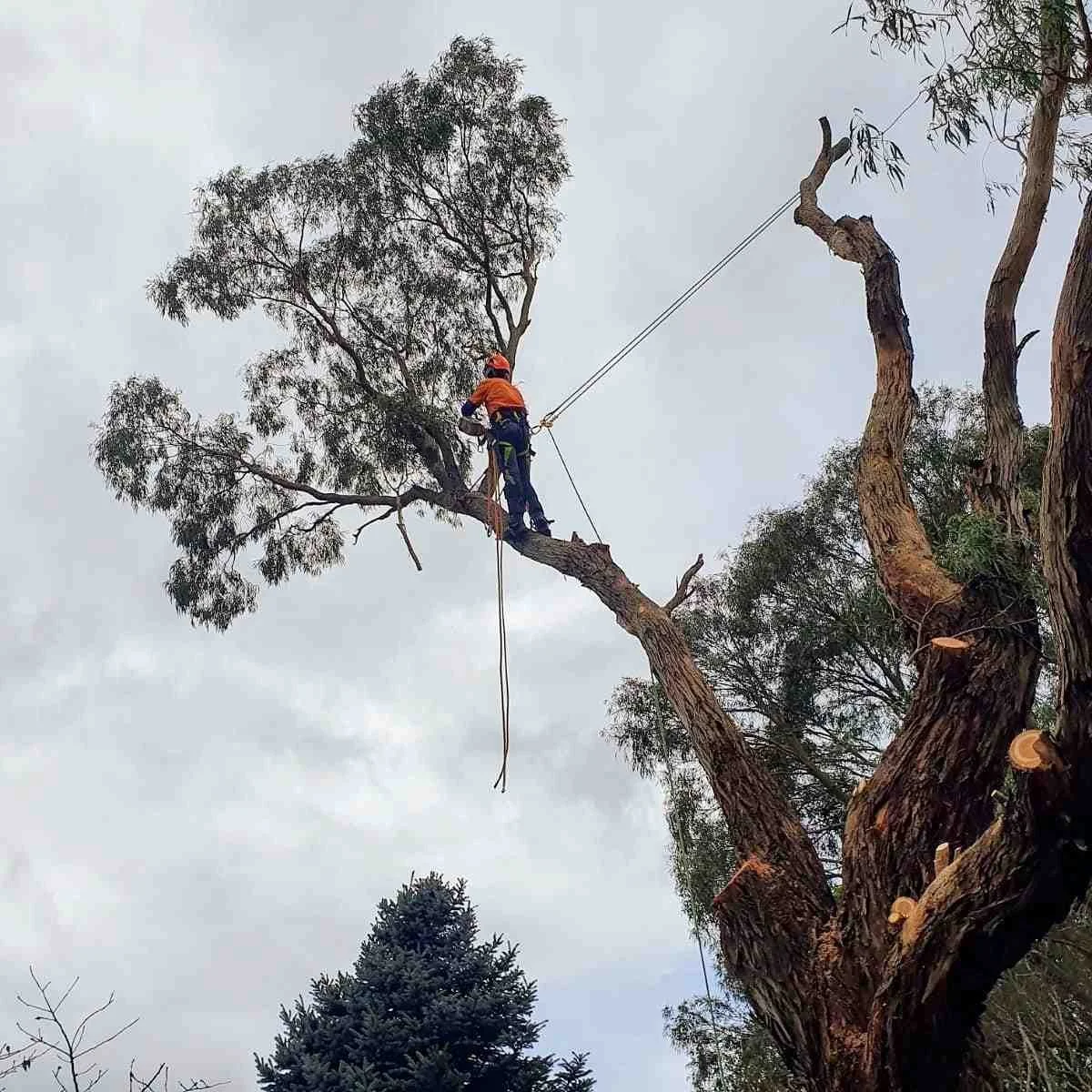
In Australia, those checks also help ensure the job complies with local council rules, safety expectations, and common site constraints like tight blocks, overhead power, and shared boundaries.
They begin with a quick but methodical site scan to understand hazards, access, and what the client actually wants achieved. A reliable tree service provider will also confirm that the scope matches the quote and that nothing has changed since the initial inspection.
They typically note nearby structures, traffic, footpaths, and whether neighbours or tenants could be affected. This sets the tone for a safe, controlled job rather than a rushed one.
They assess the tree’s structure and stability before any climbing or rigging begins. A reliable tree service checks for dead limbs, cracks, decay, hollows, weak unions, and termite damage that can cause sudden failure.
They also consider recent weather, as saturated ground and wind load can change how a tree behaves. If the tree is unsafe to climb, they may switch to an elevated work platform or adjust the removal method.
They look for signs of stress, disease, and pest activity that affect limb strength and drop zones. A reliable tree service often inspects the canopy density, epicormic growth, fungal fruiting bodies, ooze, dieback, and previous poor pruning cuts.
They also check for included bark, co-dominant stems, and long lever limbs that are prone to tearing. These details influence whether pruning is appropriate or whether removal is the safer option.
They match the method to the constraints, not the other way around. A reliable tree service selects rigging gear, saw sizes, climbing systems, chippers, stump grinders, or an EWP based on the tree size, species, and drop zone limits.
They also plan crew roles, communication, and ground control. On a typical suburban block in Sydney, Brisbane, Perth, Adelaide, Hobart, Canberra, Darwin, or Melbourne, the right crew size prevents rushed cuts and unsafe manual handling.
They confirm how machinery and people will enter and exit, and where wood can be lowered safely. A reliable tree service checks gate widths, driveway grades, soft lawns, garden beds, and whether there is space for a chipper, truck, or EWP.
They also map the drop zone and exclusion zones to keep residents and pets clear. If there is no safe drop zone, they plan controlled rigging and staged dismantling.
They identify what could be struck, cracked, crushed, or punctured if anything swings or drops. A reliable tree service checks roofs, gutters, skylights, solar panels, sheds, pools, water tanks, retaining walls, and boundary fences.
They also consider underground assets near the work area, including irrigation and drainage. This is why reputable operators avoid vague promises and instead explain exactly how they will control timber as it comes down.
They treat electricity as a major hazard and plan conservatively. A reliable tree service checks for overhead service lines, street mains, NBN or telco cables, and any attachment points running through the canopy.
In Australia, work near electrical infrastructure may require a suitably qualified line-clearance contractor or coordination with the network operator. They will also check for underground services before stump grinding, especially in older suburbs with mixed service routing.
They check whether a permit is required before pruning or removal. A reliable tree service considers local council regulations, Tree Preservation Orders, significant tree registers, and any overlays that apply to the property.
They also ask about strata rules for units and townhouses and whether the tree is on a boundary. Where approvals are needed, they may help document the tree condition and scope, but they still avoid starting work until permissions are clear.
They confirm outcomes, not just actions. A reliable tree service will clarify whether the client wants risk reduction, clearance from a roof, more light, deadwood removal, shaping, full removal, or stump grinding.
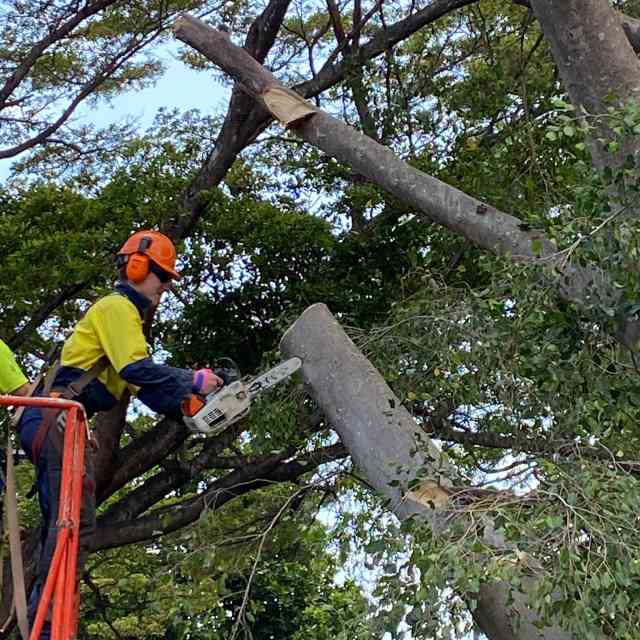
They also confirm what happens to debris and timber, where the truck will park, work hours, and noise constraints. Clarifying these details helps manage tree cutting risks and prevents disputes like “they cut more than expected” or “they left the logs behind” after the job.
They plan the order of operations to reduce load and prevent uncontrolled movement. A reliable tree service identifies tie-in points, rigging anchor points, swing paths, and where pieces can be lowered or redirected.
They also plan for changing conditions, like rising wind or unexpected decay. A clear sequence means fewer surprises, cleaner cuts, and less chance of bark tearing, lawn damage, or shock-loading a rigging system.
They set up a work zone and confirm PPE and communication. A reliable tree service checks helmets, eye and hearing protection, chainsaw trousers, gloves, hi-vis, first aid access, and that the team has a rescue plan.
They also confirm bystander control with cones, tape, spotters, or temporary footpath management where needed. These steps can feel cautious, but they are what separates professional work from avoidable incidents.
They assess whether pruning aligns with tree biology and long-term structure. A reliable tree service checks species response, branch collar locations, weight distribution, and whether the request would cause stress, sunburn, or excessive epicormic regrowth.
They avoid harmful practices like topping, because it often creates weak regrowth and future hazard. Good pruning choices keep the canopy safer while preserving the tree’s health and form.
They check for nesting birds, possums, and hollows that may be habitat. A reliable tree service looks for movement, nesting material, scratch marks, droppings, and active hollows before removals or heavy reductions.
Where wildlife is present, they may delay work, adjust timing, or recommend a licensed wildlife carer. This is especially relevant during breeding seasons and in leafy suburbs near bushland corridors and reserves.
They look for what could be damaged below ground. A reliable tree service checks proximity to pipes, conduits, concrete edges, pavers, and retaining walls before stump grinding.
They also consider root buttresses, surface roots lifting paths, and soil stability if the tree has been leaning or the ground has been waterlogged. These checks reduce the risk of hitting services or undermining nearby structures.
They confirm exactly what “cleanup” means in the quote. A reliable tree service checks whether green waste is chipped and removed, whether logs are taken away or stacked, and whether sawdust and leaf litter are raked and blown.
They also confirm if they will cut timber to fireplace lengths, and whether access limits the size of machinery used for removal. Clear disposal planning keeps the site safe and tidy.
If they rush, dismiss hazards, or cannot explain the plan, that is a warning sign. A reliable tree service does not ignore powerlines, skip exclusion zones, or push ahead without confirming approvals.
Other red flags include vague pricing, no discussion of drop zones, and no interest in what is under the stump. When checks are skipped, property damage and near-misses become much more likely.
They should ask what hazards were identified, how the timber will be controlled, and what happens if the tree is worse inside than it looks outside. A reliable tree service should be able to explain their method in plain language and confirm what is included.
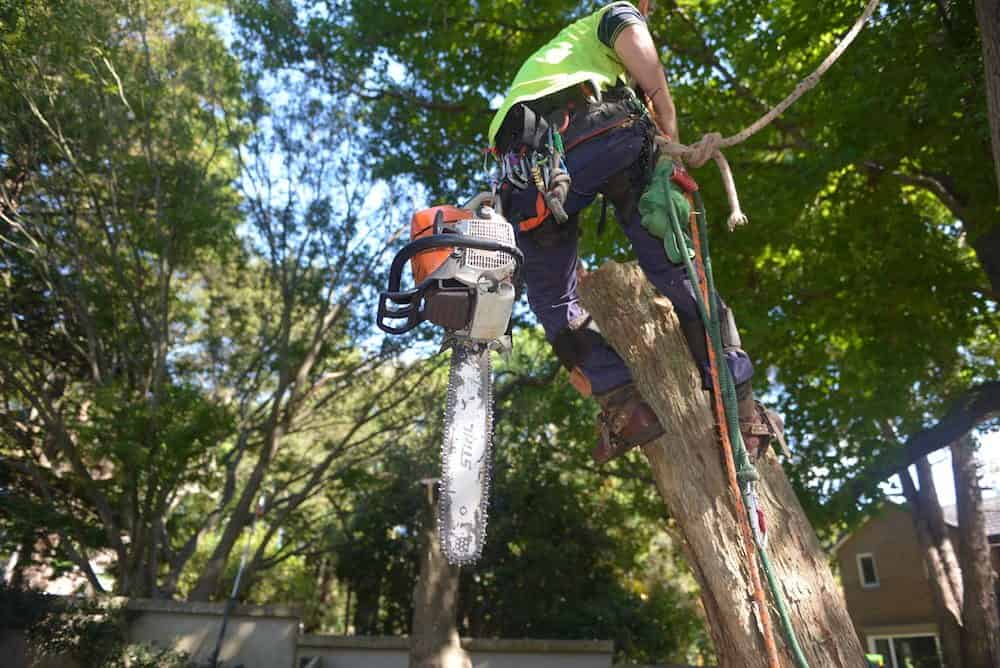
They should also ask about timing, access, and whether any permits apply. A clear plan upfront usually leads to the smoothest, safest job on the day.
A reliable tree service begins with a quick but methodical site scan to assess hazards, access, and client objectives. They confirm the scope matches any quote and note nearby structures, traffic, footpaths, and potential impacts on neighbours or tenants to ensure a safe, controlled job.
They assess the tree’s structure and stability by checking for dead limbs, cracks, decay, hollows, weak unions, termite damage, and consider recent weather conditions like saturated ground or wind load. If unsafe to climb, they may use elevated work platforms or adjust removal methods accordingly.
Inspections include looking for stress signs, disease, pest activity affecting limb strength and drop zones. They evaluate canopy density, epicormic growth, fungal fruiting bodies, ooze, dieback, previous poor pruning cuts, included bark, co-dominant stems, and long lever limbs that risk tearing to decide between pruning or removal.
They select rigging gear, saw sizes, climbing systems, chippers, stump grinders, or elevated work platforms based on the tree’s size, species, and drop zone constraints. Crew roles and communication plans are tailored to prevent rushed cuts and unsafe manual handling on typical suburban blocks across Australian cities.
These assessments confirm how machinery and personnel enter and exit safely and where wood can be lowered without damage. Factors like gate widths, driveway grades, soft lawns, garden beds influence equipment placement. Mapping drop zones and exclusion areas keeps residents and pets safe during operations.
A reliable service identifies property risks including roofs, gutters, solar panels, sheds, pools, fences as well as underground assets like irrigation systems. They treat electricity as a major hazard by checking overhead power lines and coordinating with qualified contractors when necessary to comply with regulations and ensure safety.
<script type="application/ld+json">
{
  "@context": "https://schema.org",
  "@type": "Article",
  "mainEntityOfPage": {
    "@type": "WebPage",
    "@id": "https://newsronic.com/what-a-reliable-tree-service-checks-before-starting-work/"
  },
  "headline": "What a Reliable Tree Service Checks Before Starting Work",
  "image": [
    "https://newsronic.com/wp-content/uploads/2026/08/Why-Us-1.jpg",
    "https://newsronic.com/wp-content/uploads/2026/08/skilled-trees-05-91654f18-1.jpeg",
    "https://newsronic.com/wp-content/uploads/2026/08/tree-removal-services-traralgon-latrobe-valley.webp"
  ],
  "author": {
    "@type": "",
    "name": "Summer Goode",
    "url": "https://newsronic.com/author/admin/"
  },
  "publisher": {
    "@type": "Organization",
    "name": "News Ronic",
    "logo": {
      "@type": "ImageObject",
      "url": "https://newsronic.com/wp-content/uploads/2024/07/News-Ronic.png"
    }
  },
  "datePublished": ""
}
</script>